

Amid the ongoing challenges facing communities across the Chicago region, I’d like to share some data and insights we have received from 211 Metro Chicago and our nonprofit partners. As we anticipated, the combination of federal and systemic actions on the social safety net indicates a significant strain on our Neighborhood Networks, as well as on our colleagues, friends, and the entire region.
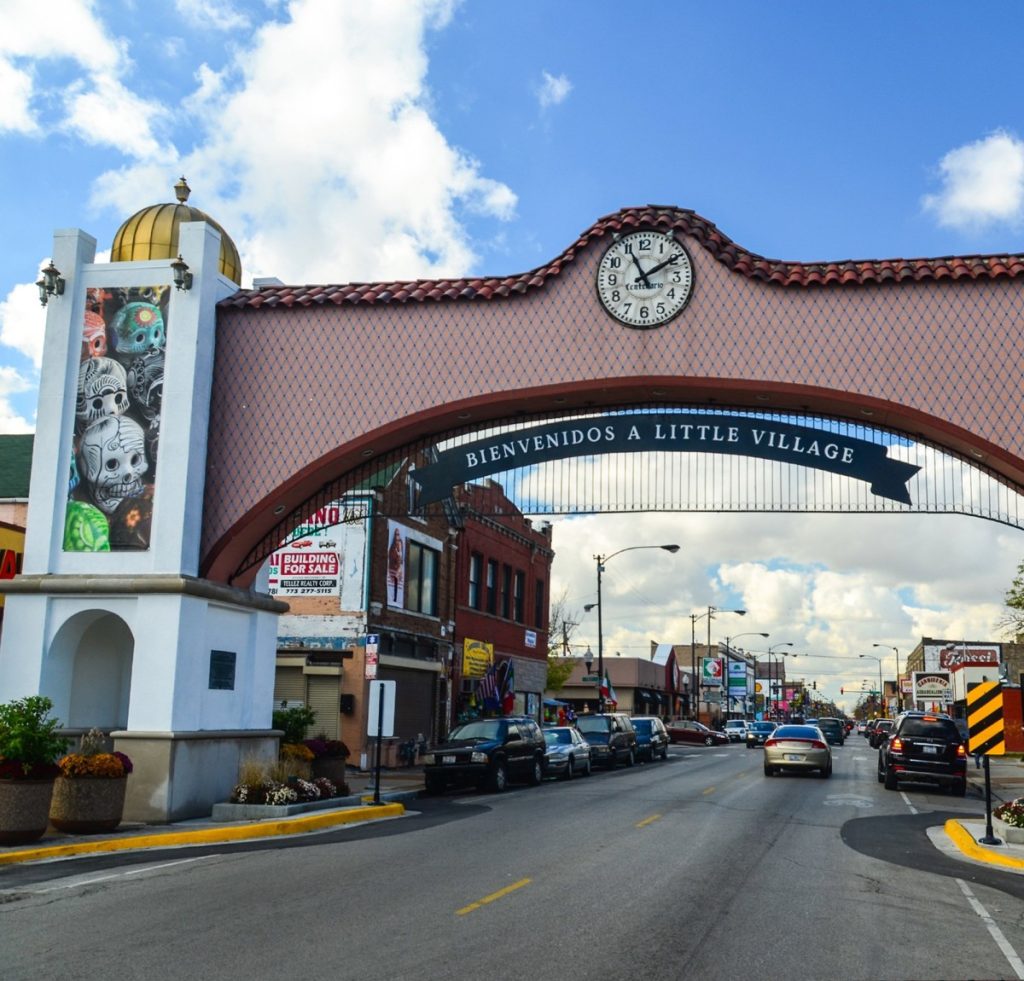
In addition to sharing the data below, I was recently in Little Village for lunch with leaders from Latinos Progresando and Enlace Chicago. United Way is honored to partner with these organizations driving transformative community-led work on the Southwest Side.
However, it was striking how little economic activity was taking place. The restaurant where we met typically has a wait. But we were the only ones there. Parking was available on every block – I usually circle multiple times to find a parking spot.
It was sobering and shows the stark reality of the economic impacts being felt in many of our neighborhoods across the region, especially those experiencing increased immigration enforcement activity. Many of our neighbors are afraid to go to work, shop, or eat out.
At the same time, talking to our partners about the ways they are supporting families, helping students get to school, and ensuring access to food was inspiring.
Below is an overview of the data and stories we are seeing.
211 Metro Chicago Data
Operated by United Way of Metro Chicago, in partnership with the City of Chicago and Cook County, 211 Metro Chicago is a free, confidential 24/7/365 health and social service helpline that provides referrals to essential resources such as food pantries, utility payment assistance, health care, and housing support.
2-1-1 has seen an increase in requests across the board. Specifically:
- 2-1-1 experienced an increase of 149% in food assistance requests during the first two weeks of November 2025, as compared with the first two weeks of October 2025.
- Data shows a 78% year-over-year increase in health care requests last quarter over the same quarter in 2024.
- There has been an 84% year-over-year increase in employment services requests last quarter over the same quarter in 2024.
Partner Updates
EDUCATION
- Based on information from our partners at Enlace in Little Village, community schools are reporting a 20% decrease in school programming attendance this year over last year.
- Our partners also report that over the last 60 days, Little Village schools have seen an average drop in attendance of 35 to 40%, with some days experiencing even higher rates, which threatens long-term academic outcomes.
- 38 of Chicago’s 77 official communities saw attendance drop more sharply than the district; about 40% of those are home to large immigrant or Latine populations. (Chalkbeat Chicago)
LOCAL WORKFORCE
- According to our partners at Enlace and news reports, many primary breadwinners in mixed-status households have lost their jobs or are avoiding job sites due to fear of enforcement actions, resulting in a compounding economic crisis, with the income loss placing a tremendous strain on families already struggling to make ends meet. (KPC News – publication out of Indiana)
- The Little Village commercial corridor is showing visible signs of distress, with lower foot traffic, reduced sales, and shortened business hours. (Little Village Chamber)
FOOD INSECURITY
- In Auburn Gresham, St. Sabina reported a record-breaking 520 people visited the church’s food pantry over two days the week of 10/27. (WBEZ)
- A food pantry in south suburban Dolton experienced double the number of residents on Tuesday who emptied the shelves in the pantry. (ABC7)
- Pan de Vida Fresh Market, operated by New Life Centers of Chicagoland, continues to serve thousands of families every week, a demand that has nearly doubled in recent months and matches the surge felt at the height of the COVID-19 pandemic (6,000 families or 30,000 people per week), according to New Life Centers.
- Ward 22 reports that nearly every food pantry in the area is operating at or near capacity, distributing meals multiple days each week to meet the rising need.
We’ll share more with you soon about how United Way is directly responding to these community needs.
As always, thank you for your continued support, advice, and encouragement. Our partners, along with our team, continue to show up for our neighbors – and the impact is being felt across the region.
Sincerely,

Sean Garrett
President & CEO
United Way of Metro Chicago